Desert Tourism
Desert life
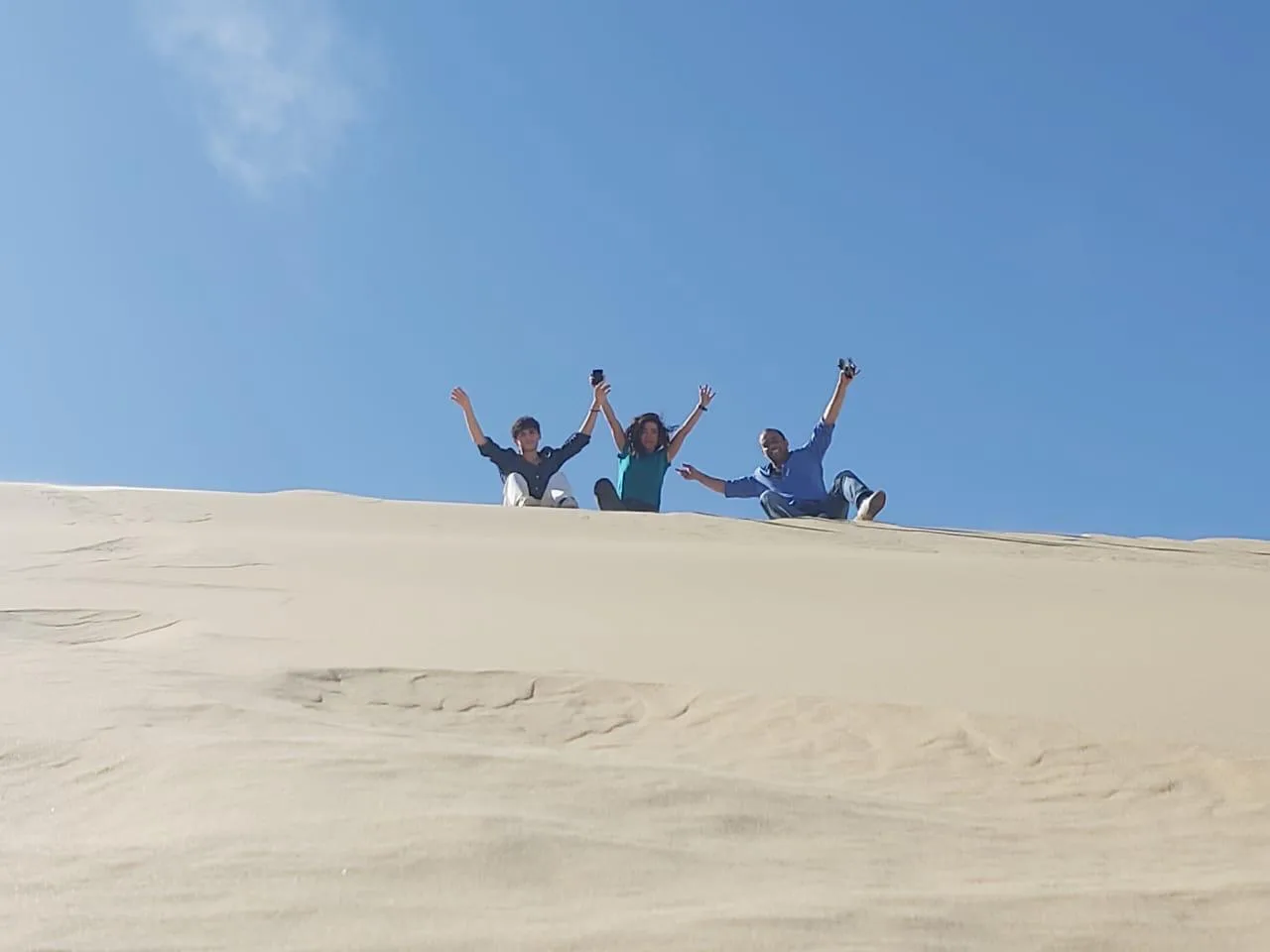
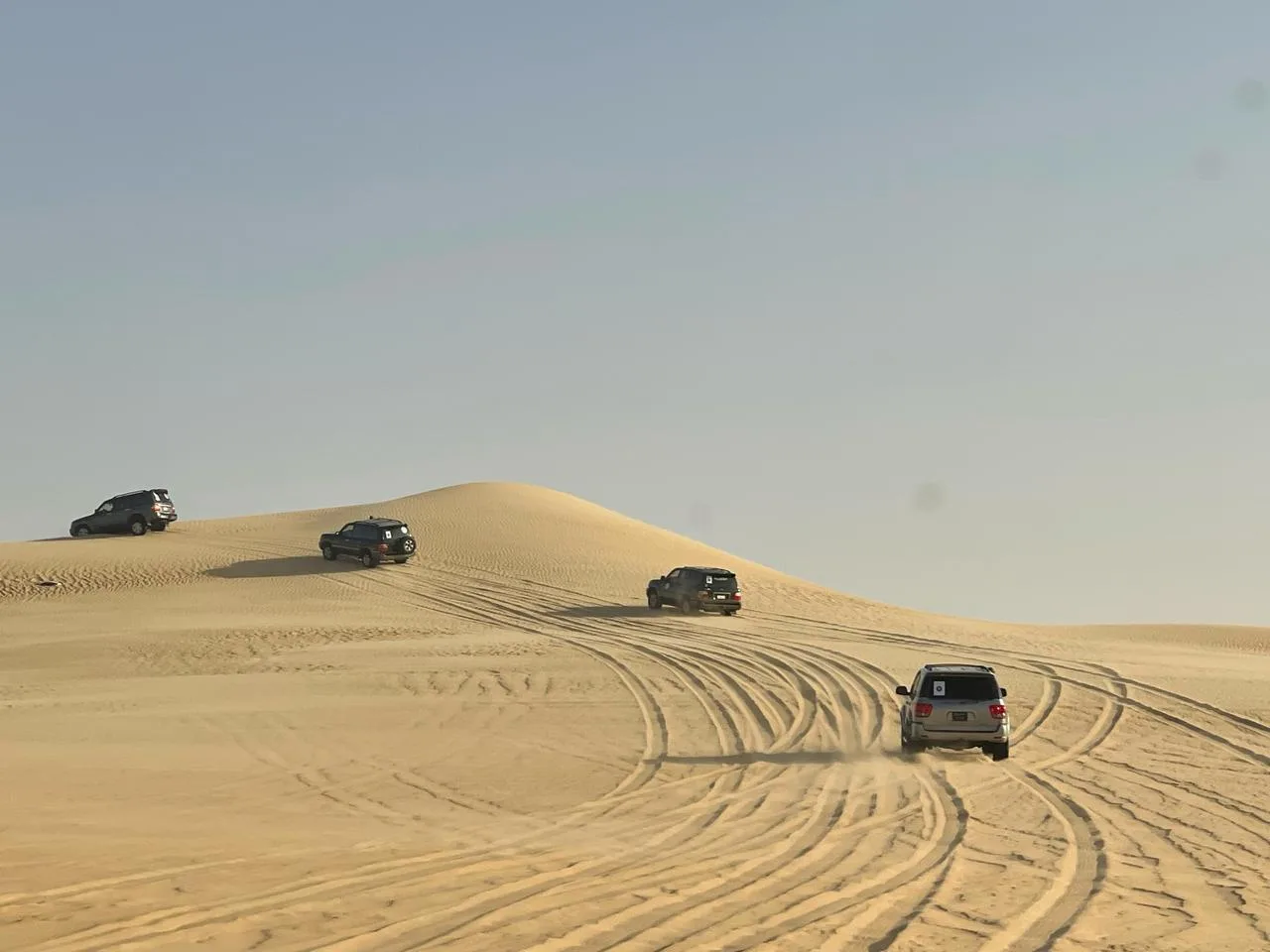
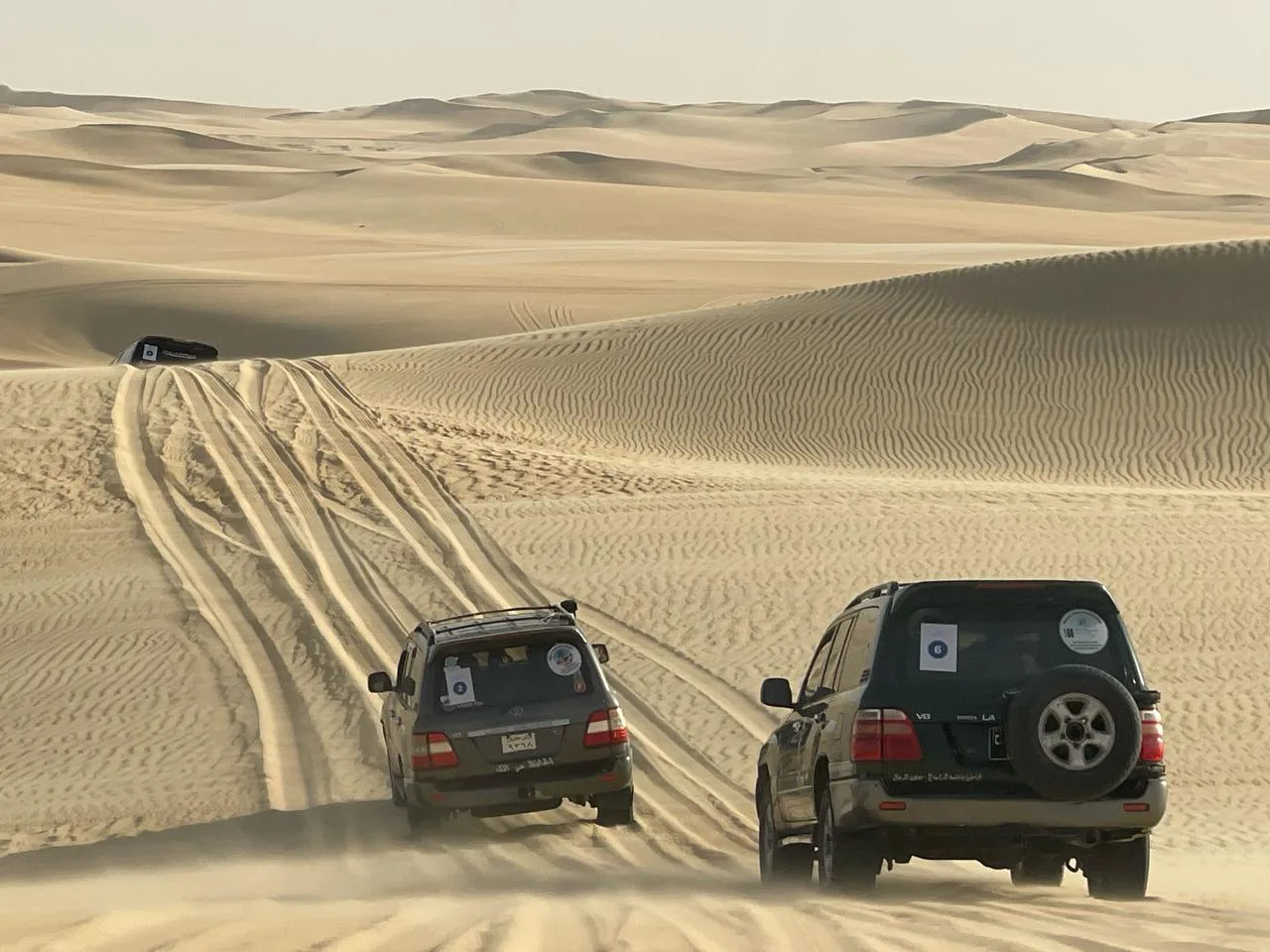
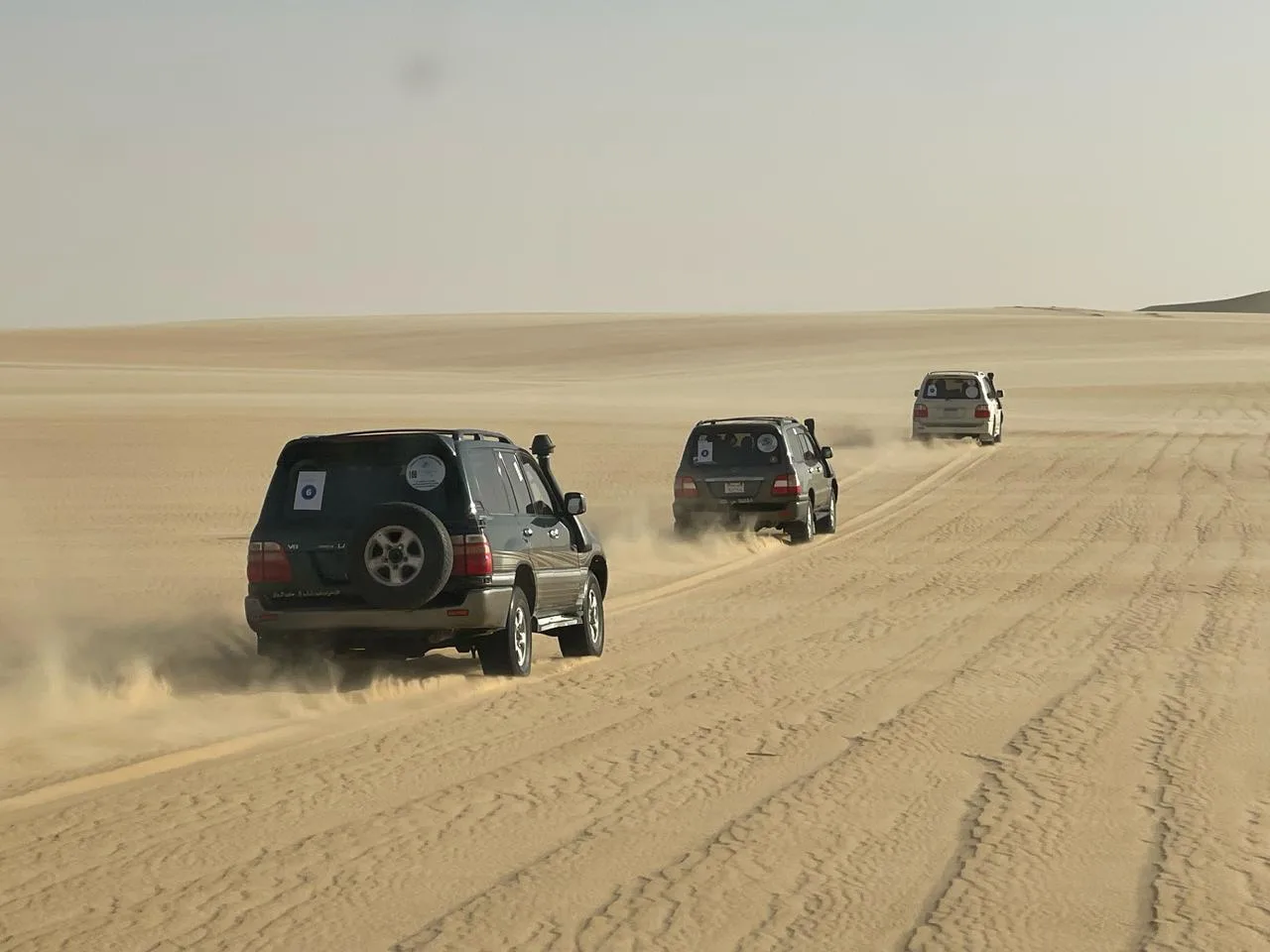
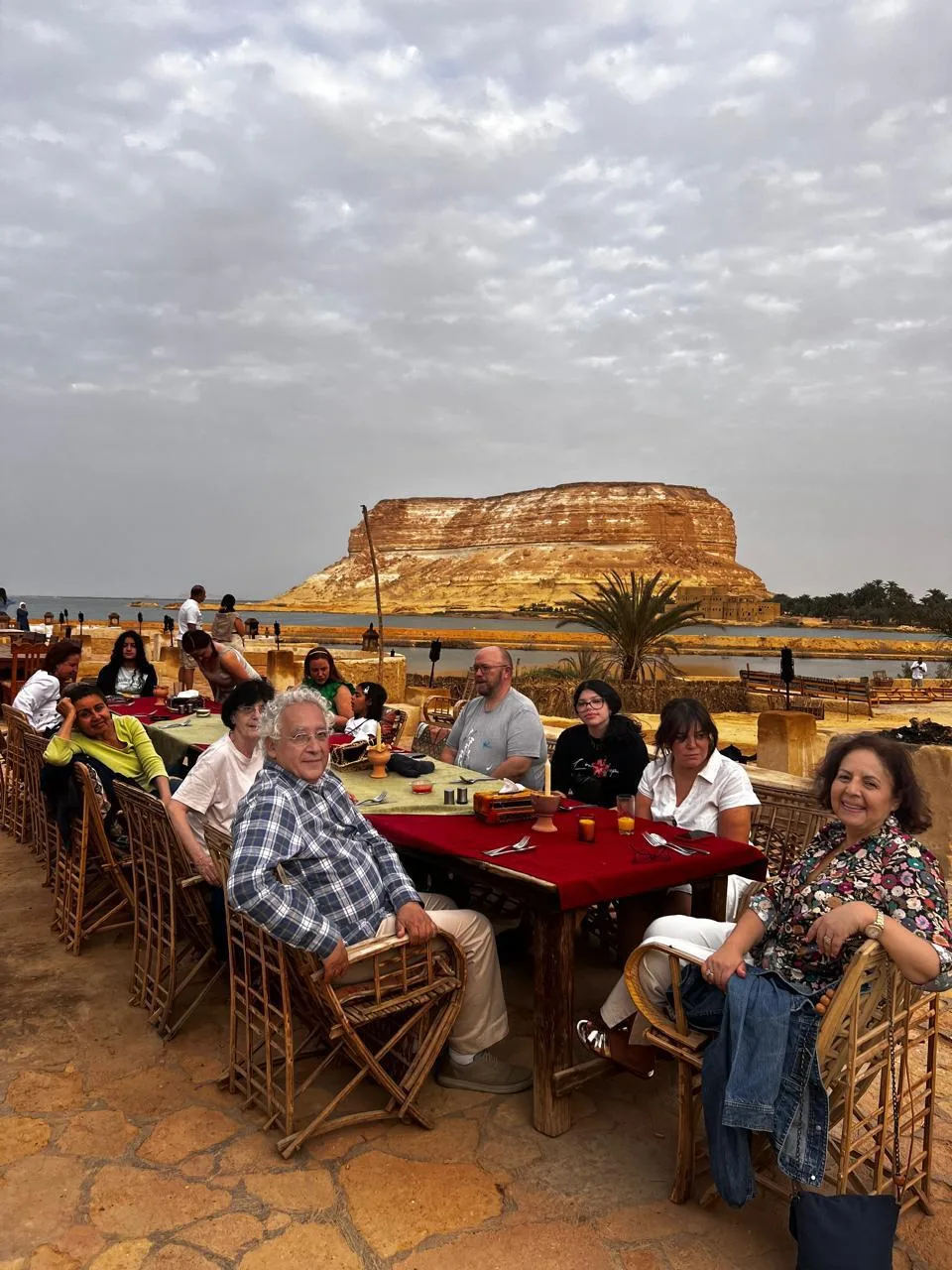
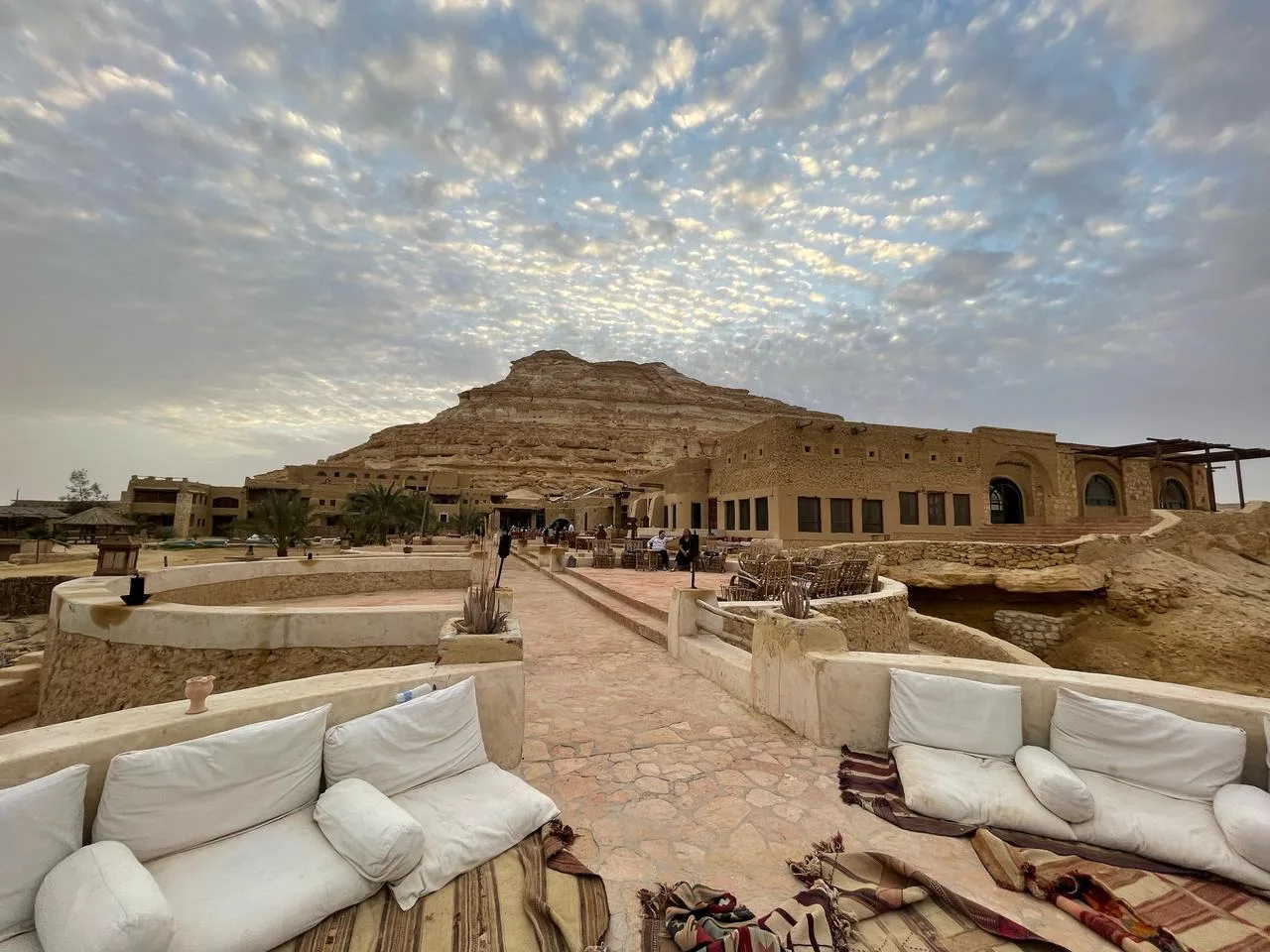
The desert is not just a place you visit; it is a place you need to know. And this is where experience really matters.
At AGILE, we have spent years learning how to make desert journeys work — not only when everything is easy, but especially when you are literally in the middle of nowhere.
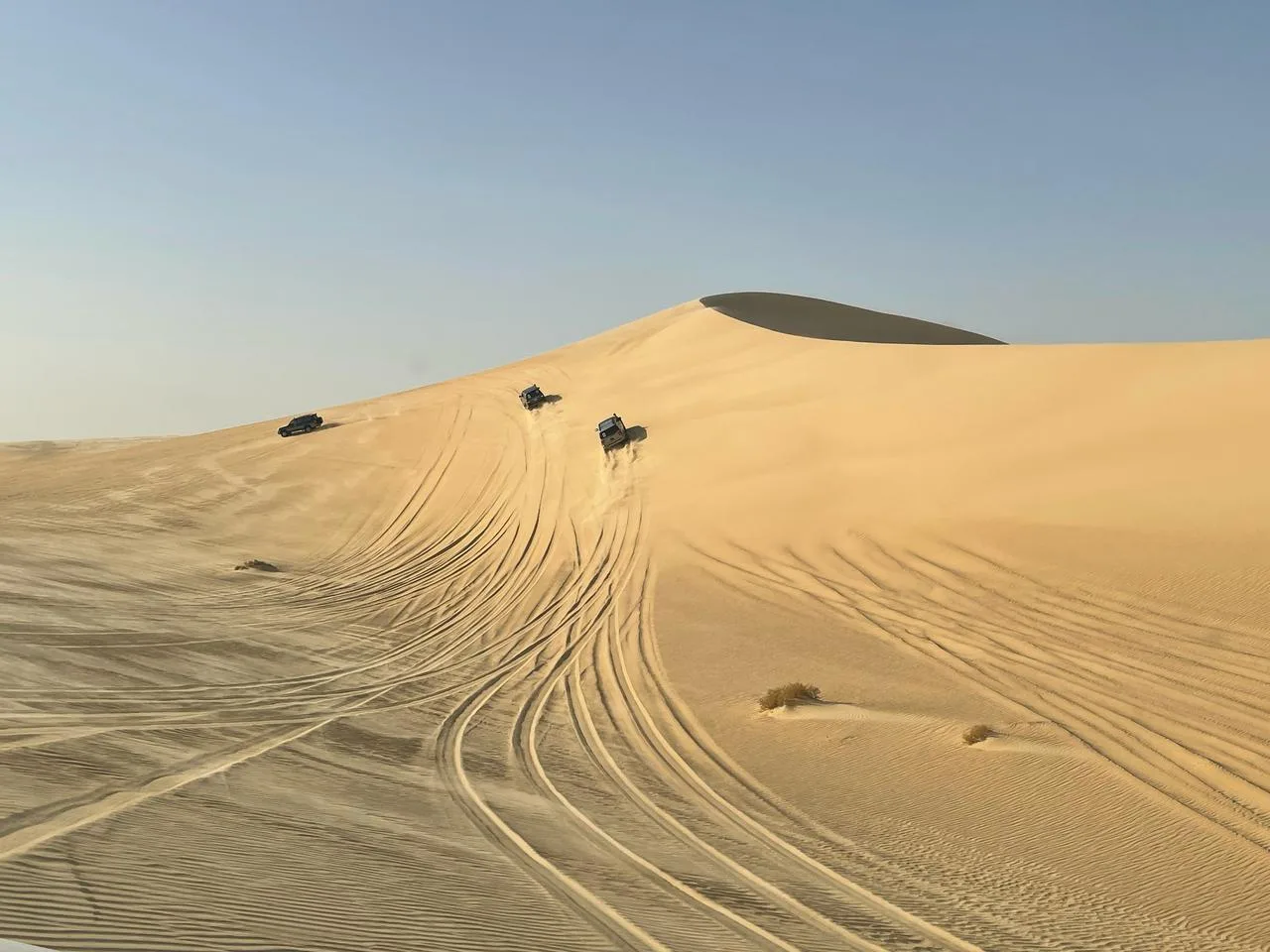
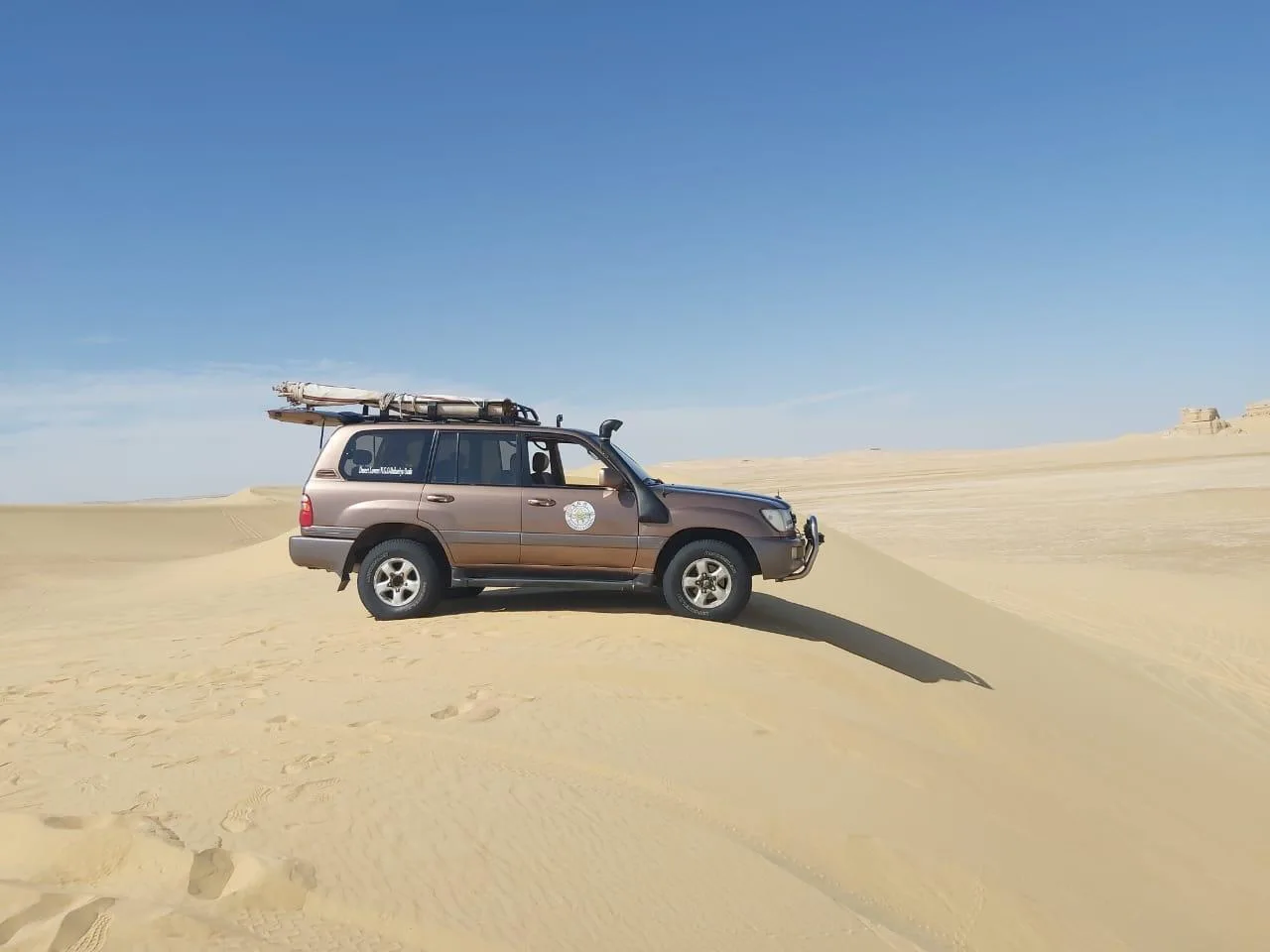
We know the logistics, the routes, the distances, the vehicles and, most importantly, what it takes to make guests feel comfortable and safe far away from the usual facilities. Our teams can set up comfortable camps with proper tents and toilets, prepare fresh food right there in the desert, and take care of the little details that make a big difference. Even the drivers are part of the team and know that their job is much more than simply driving a 4×4.
Because desert tourism in Egypt is not simply about putting a few 4x4s together and driving into the sand. It is about knowing the destination, understanding the terrain, planning the logistics, and knowing what guests need before they even have to ask.
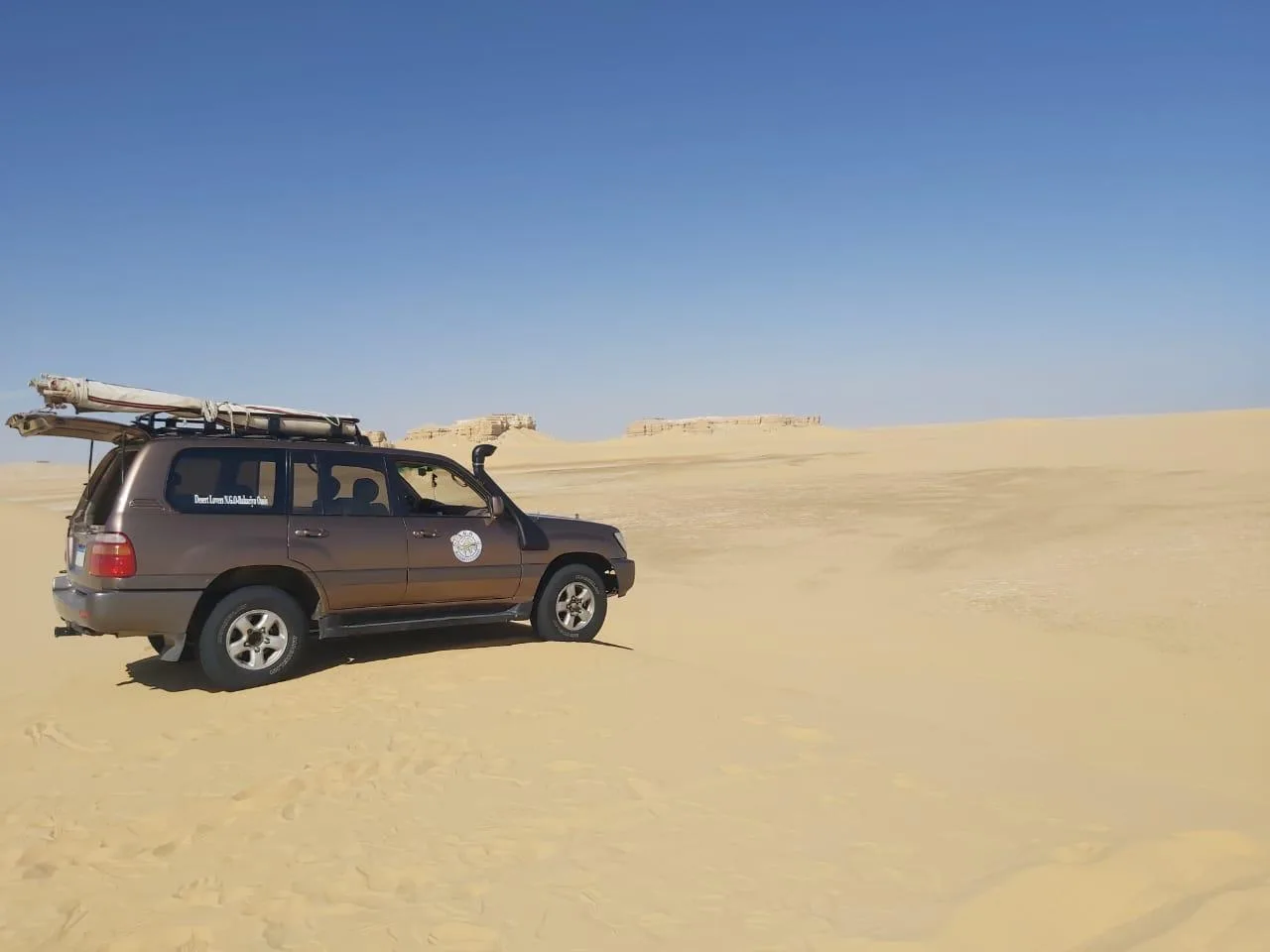
We also know how to connect the desert with the rest of Egypt. A journey can start from Cairo and head into the desert by 4×4, then continue through the oases and eventually finish in a city with an airport, whether Cairo, Luxor or another suitable gateway.
Siwa is a different story. Its airport currently receives chartered flights rather than scheduled services, so getting the logistics right is particularly important. We know how to build the journey around that reality rather than leaving it to chance.
And there is plenty to discover.
Fayoum — The Easy Way Into the Desert
Fayoum is perhaps the easiest introduction to Egypt’s desert. Just a day’s journey from Cairo, you can already feel as though you have entered another world.
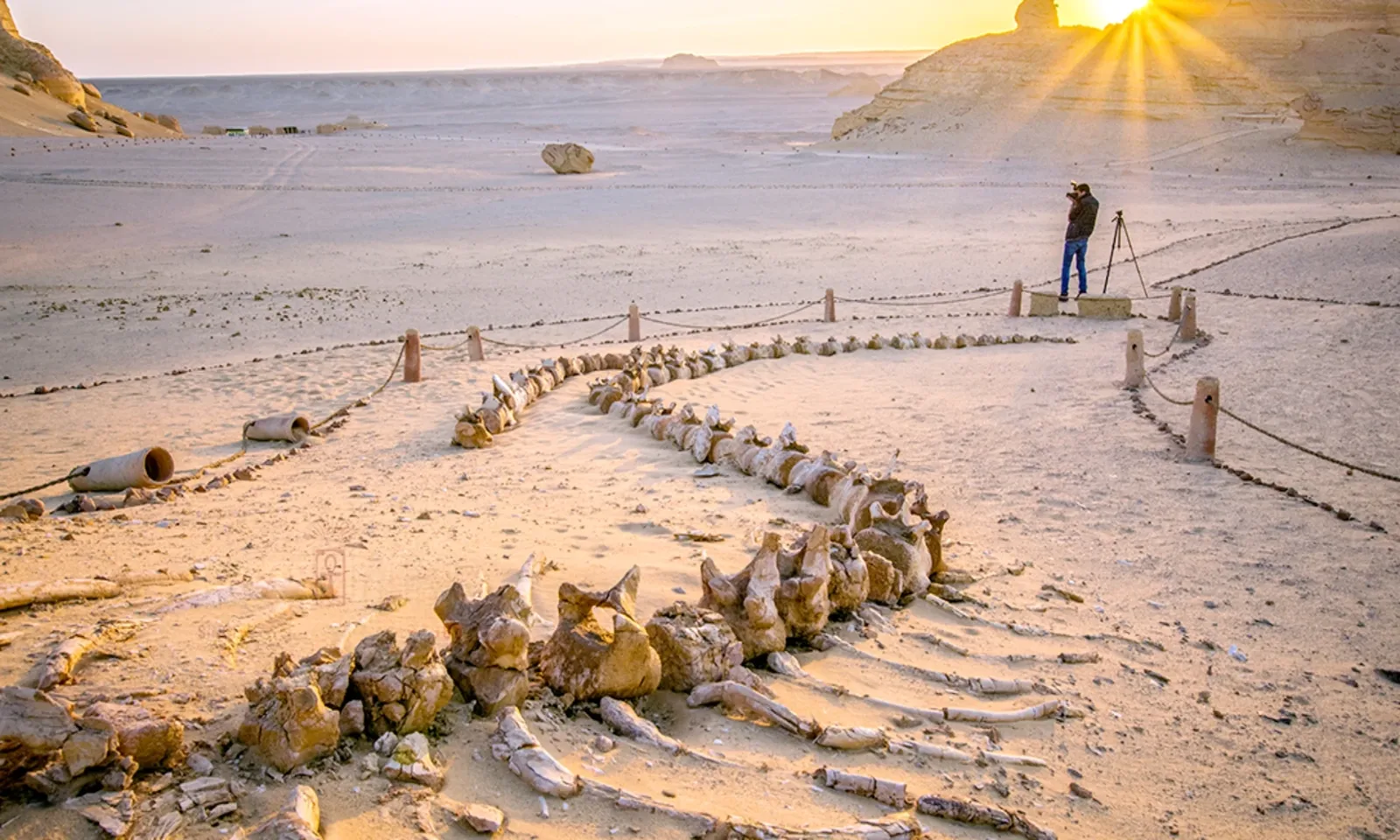
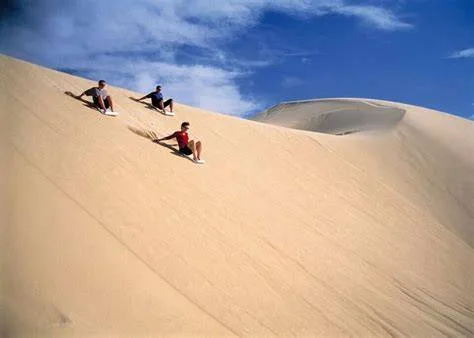
At Wadi El Hitan, the Valley of the Whales, remarkably preserved whale fossils tell a story dating back around 38 million years. Then come the dunes for a little sandboarding, the beautiful Magic Lake, and a lunch that can become an experience in itself — including traditional food slowly cooked underground beneath the desert sand.
It is amazing how much adventure can fit into a single day.
The Western Desert — Go Deeper
Go deeper into the Western Desert, and Egypt begins to feel like another country altogether.
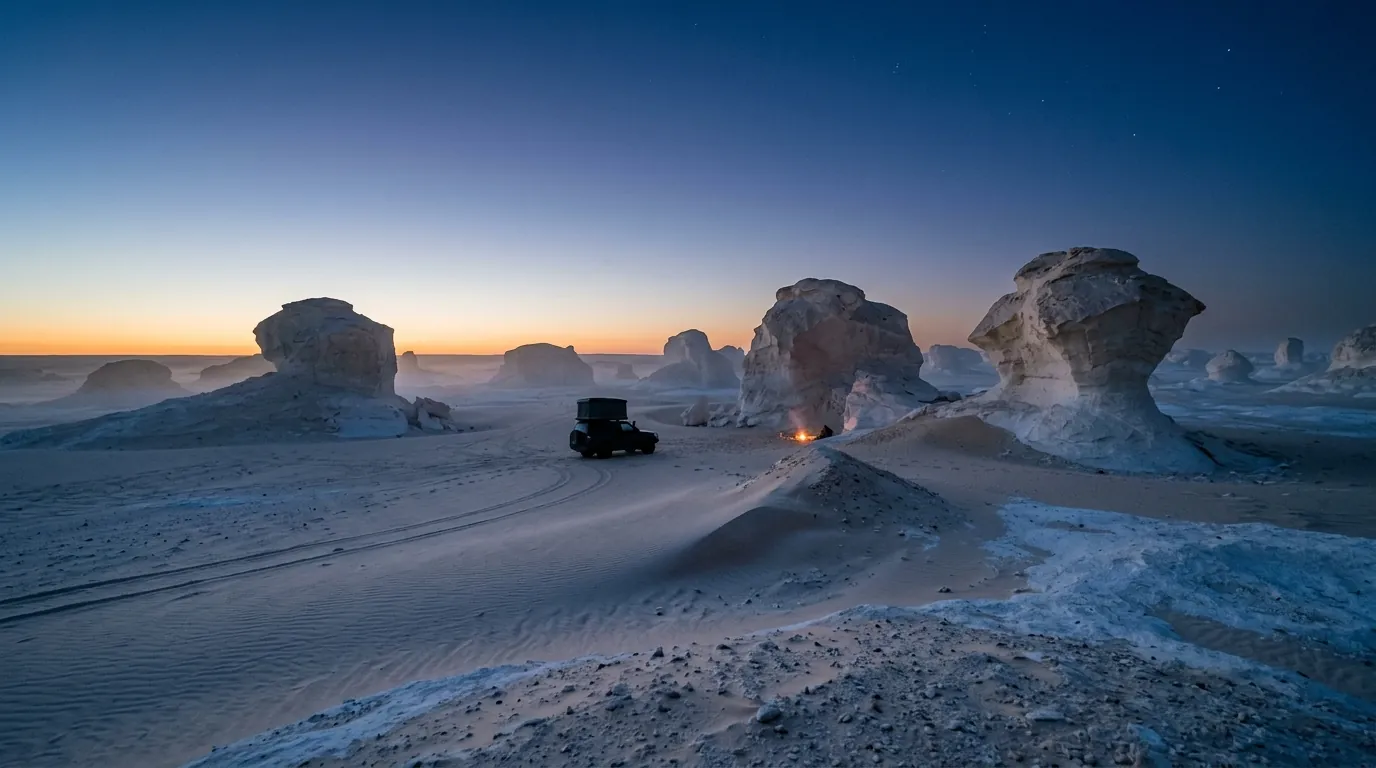
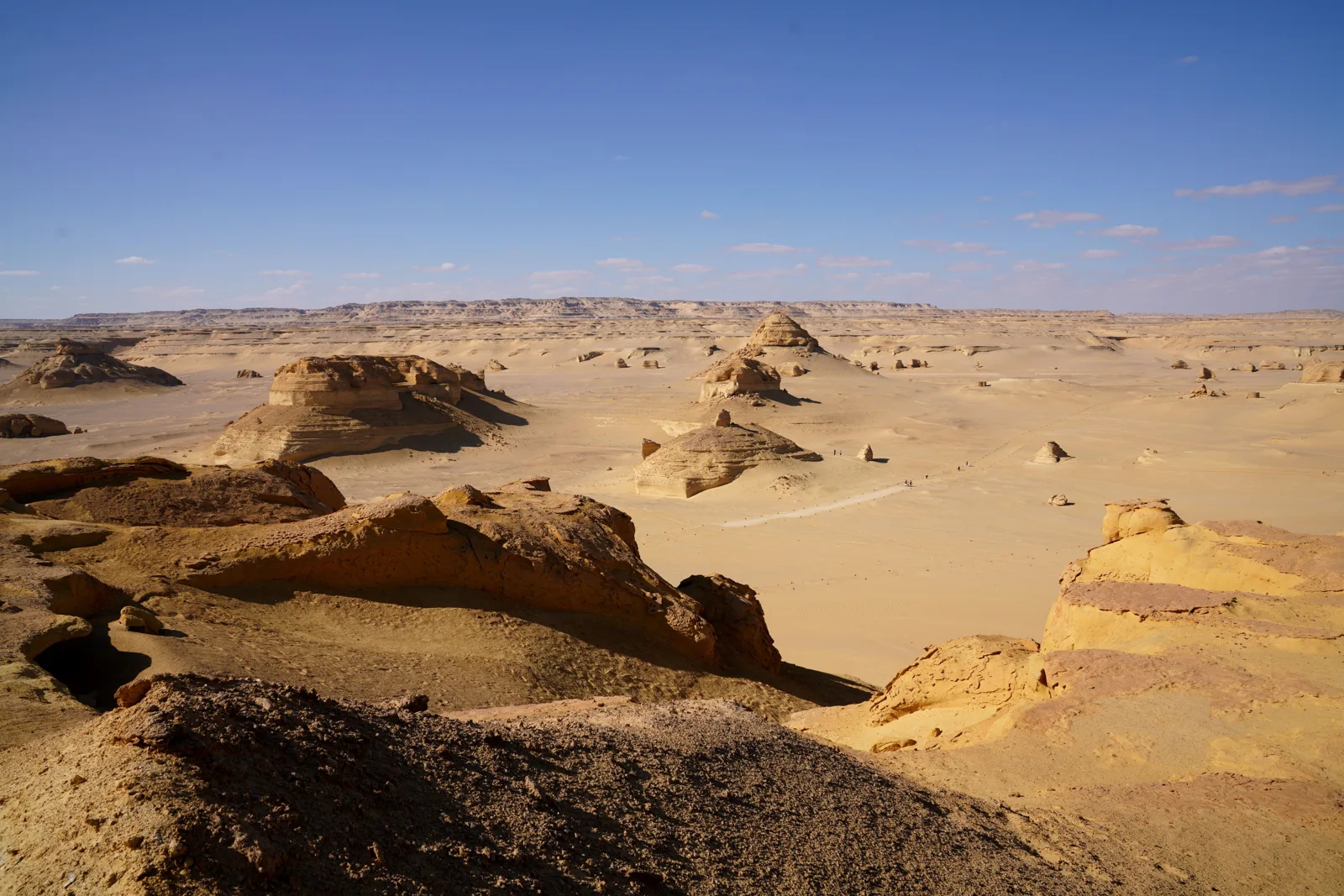
The oases, ancient ruins and dramatic landscapes unfold one after another, with natural rock formations sculpted by wind and time. Then come the Black Desert and the White Desert — two completely different landscapes, both extraordinary in their own way.
Here, our job is not simply to get guests there. It is to know where to go, when to go, how to move around safely, and how to make a night in the middle of nowhere feel wonderfully effortless.
The desert becomes the destination itself — the landscape, the silence, the stars, the camp, and the feeling of being somewhere far beyond the usual tourist routes.
Siwa — An Oasis with a Character of Its Own
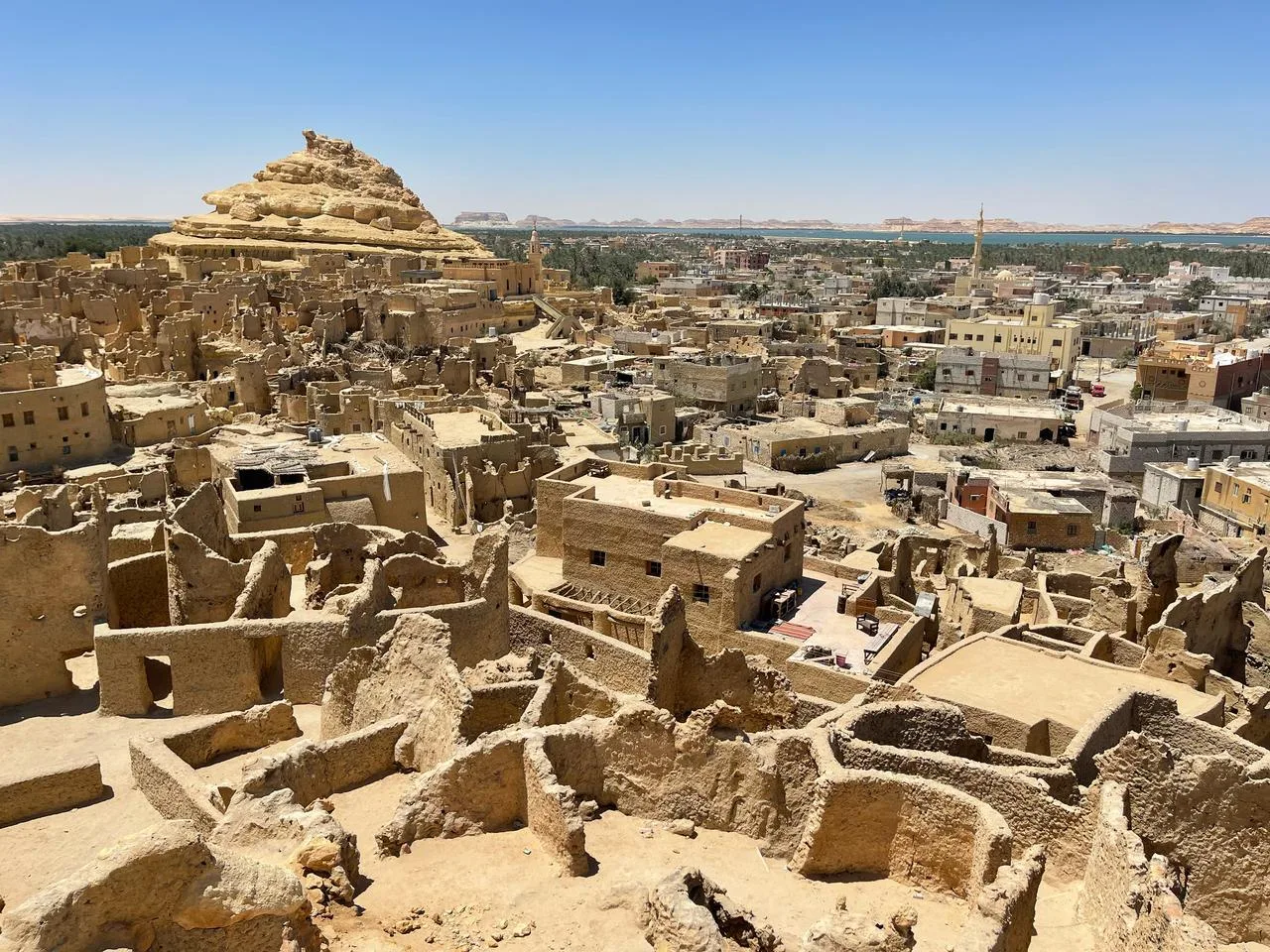
And then there is Siwa.
Siwa has a character all of its own. Its Amazigh community is Egyptian, of course, but has preserved a distinctive culture, traditions and language that feel wonderfully different from what most Egyptians know.
There is something about Siwa that makes people slow down. You arrive thinking you will stay for a couple of nights, and suddenly you find yourself wishing you had booked a few more.
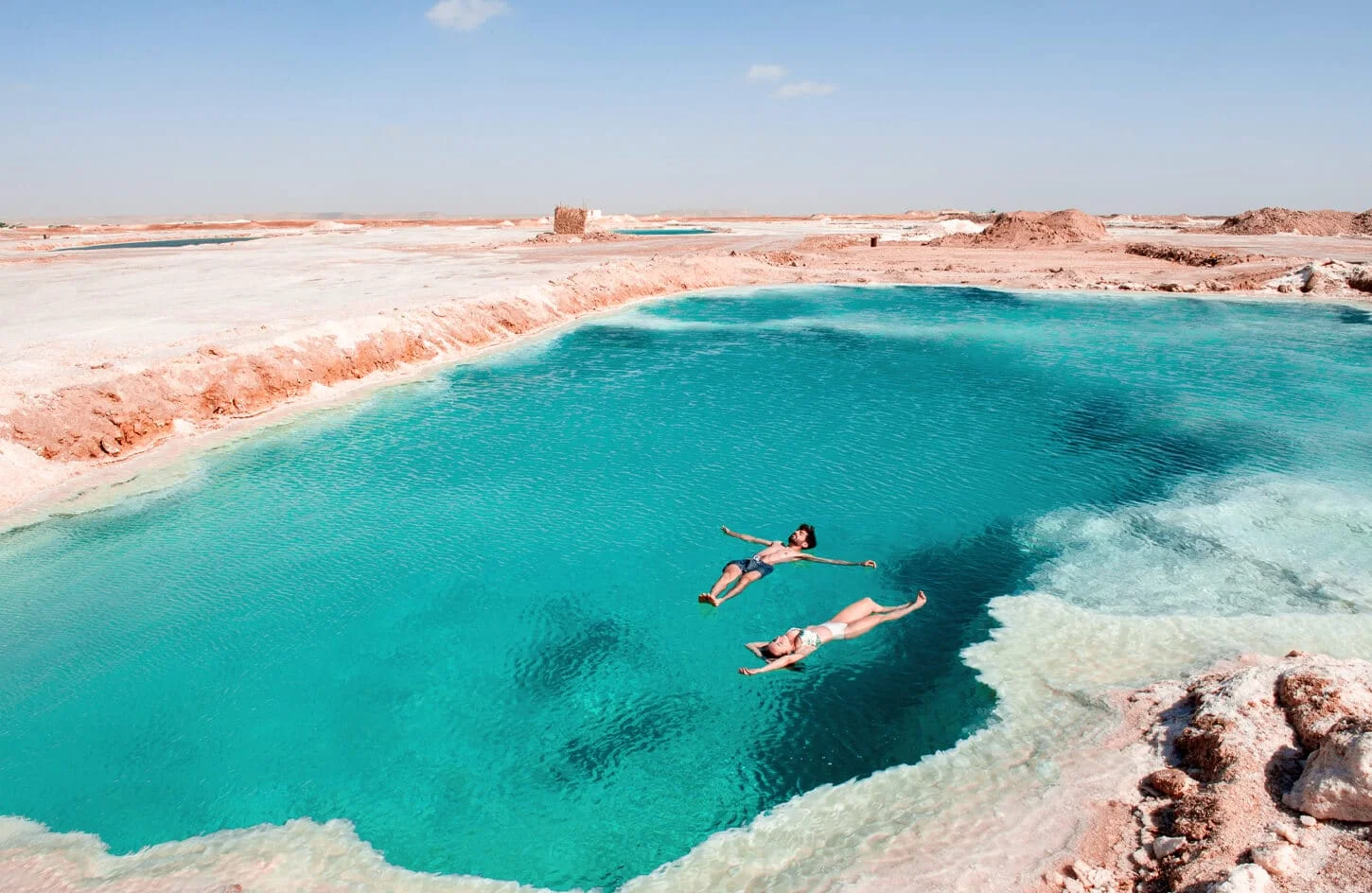
Perhaps it is the Great Sand Sea. Perhaps it is floating effortlessly in the salt lakes, or soaking in a warm spring on a cool winter evening. Or perhaps it is simply the atmosphere of the oasis.
There is even a local saying that the huge quantities of salt around Siwa — including its salt lakes and quarries — are part of the reason people feel a particular kind of energy there.
Scientifically, there is no established connection between the salt and that feeling. But after hearing it from the locals, swimming in the salt lakes and spending a few days surrounded by all that salt, you may start believing it yourself.
Call it local wisdom, call it a placebo effect… or simply call it Siwa.